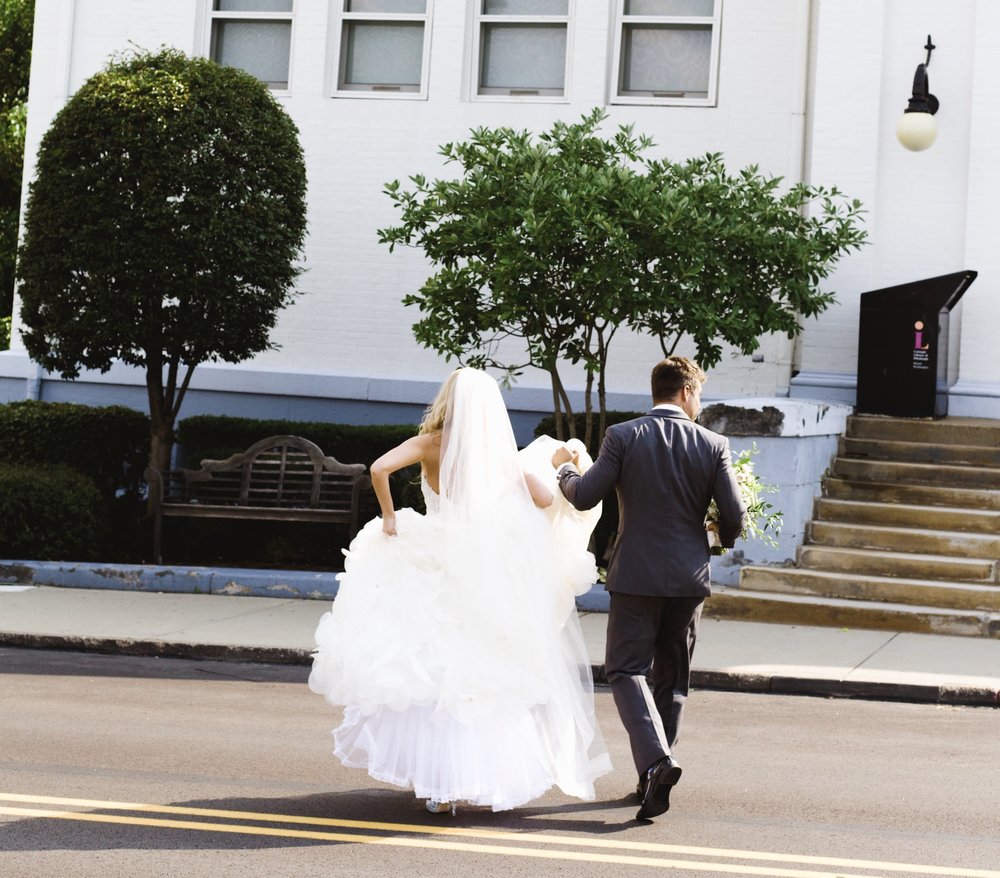
The Benefits of Hiring a Professional Wedding Photographer: Capturing Your Special Day Perfectly
Table of Contents
Mastering Professional Focus Photography: Elevate Your Craft with Precision and Artistry
Professional focus photography is an essential skill that sets accomplished photographers apart from the rest. With the right techniques and equipment, you can capture striking images that are both visually stunning and emotionally evocative. In this article, we’ll explore the principles of focus in photography, offer practical tips, and share real-life examples to inspire your journey towards mastering professional focus photography.
Understanding Focus in Photography
Focus in photography refers to the process of adjusting the lens to ensure that the subject or a specific part of the image is sharp and clear. Achieving the desired focus can be a creative decision, as it directs the viewer’s attention and adds depth to the composition.
Depth of Field
Depth of field (DOF) is a critical concept in focus photography, as it determines the range of distance within a scene that appears acceptably sharp. Factors that influence the depth of field include aperture, focal length, and distance from the subject.
- Aperture: A wider aperture (lower f-number) results in a shallower depth of field, while a smaller aperture (higher f-number) increases the depth of field.
- Focal Length: Longer focal lengths create a shallower depth of field, while shorter focal lengths result in a deeper depth of field.
- Distance: The closer you are to the subject, the shallower the depth of field, and vice versa.
Focus Techniques for Professional Photography
To achieve optimal focus in your photography, it’s essential to master a variety of techniques and camera settings:
Manual Focus vs. Autofocus
Both manual focus and autofocus have their advantages and are suitable for different situations:
- Manual Focus: Provides complete control over the focusing process, making it ideal for creative shots, low-light situations, and when photographing stationary subjects.
- Autofocus: Automatically adjusts the focus based on the camera’s settings and is perfect for fast-paced situations or when capturing moving subjects.
Focus Modes
Modern cameras offer various focus modes to help you achieve the desired focus in different scenarios:
- Single Autofocus (AF-S/One-Shot AF): Locks focus once the subject is in focus, making it suitable for stationary subjects.
- Continuous Autofocus (AF-C/AI Servo AF): Continuously adjusts focus as the subject moves, ideal for capturing action and sports photography.
- Automatic AF (AF-A/AI Focus AF): Switches between single and continuous autofocus based on the subject’s movement.
Composition and Focus
The composition plays a vital role in professional focus photography, as it helps direct the viewer’s attention and creates a sense of depth in the image:
Rule of Thirds
The rule of thirds is a fundamental composition technique that involves dividing the frame into a 3×3 grid and placing the subject or points of interest along the grid lines or at their intersections. This creates a balanced and visually appealing image.
Leading Lines
Incorporate leading lines in your composition to guide the viewer’s eye towards the focal point of the image. Leading lines can be natural or man-made, such as roads, fences, or rivers.
Bokeh
Bokeh is the aesthetic quality of the out-of-focus areas in an image, typically created by using a wide aperture and a fast lens. It adds a sense of depth and creates a pleasing background that isolates the subject.
Essential Gear for Professional Focus Photography
Investing in the right gear can significantly enhance your focus photography skills:
Lenses
High-quality lenses with fast apertures (such as f/1.4 or f/1.8) can produce sharp images with beautiful background blur, making them ideal for focus photography.
Tripod
A sturdy tripod is essential for maintaining stability and achieving precise focus, especially in low-light situations or when using slow shutter speeds.
External Flash
An external flash can help illuminate the subject and improve focus accuracy in challenging lighting conditions.
Tips for Mastering Professional Focus Photography
Here are some practical tips to help you elevate your focus photography skills:
- Practice with Different Subjects: Experiment with various subjects and scenarios, from still life to portraits and landscapes, to gain a better understanding of how focus and depth of field work in different situations.
- Know Your Camera’s Limitations: Familiarize yourself with your camera’s autofocus capabilities and limitations, such as low-light performance and tracking accuracy, to make informed decisions when choosing focus settings.
- Use Focus Peaking and Magnification: Many cameras offer focus peaking and magnification features that highlight the in-focus areas or allow you to zoom in on the subject for precise manual focusing.
- Combine Techniques: Don’t be afraid to combine different focus and composition techniques, such as using leading lines in a shallow depth of field shot, to create visually compelling images.
- Learn from the Masters: Study the work of renowned photographers and analyze their focus techniques to draw inspiration and develop your unique style.
Professional Focus Photography
To further illustrate the principles of focus photography, let’s examine some real-life examples:
- Portrait Photography: A professional portrait photographer may use a wide aperture to create a shallow depth of field, isolating the subject from the background and drawing attention to their facial features.
- Wildlife Photography: In wildlife photography, using continuous autofocus and a fast shutter speed can help capture sharp images of fast-moving animals, even in challenging lighting conditions.
- Macro Photography: Macro photographers often use manual focus and a narrow aperture to achieve precise focus on tiny subjects, such as insects or flowers, while maintaining a pleasing background blur.
Your wedding day is one of the most important and memorable days of your life. As such, it’s essential to have high-quality, beautiful photographs that capture the emotion, joy, and love of the day. Hiring a professional wedding photographer can make all the difference in preserving these precious memories. In this article, we’ll discuss the benefits of hiring a professional wedding photographer and how they can help make your special day unforgettable.
Expertise and Experience
One of the most significant advantages of hiring a professional wedding photographer is their expertise and experience in capturing weddings. These professionals have:
- Technical Skills: Professional wedding photographers have a deep understanding of their equipment and know how to use it effectively to achieve the desired results. They can expertly navigate various lighting conditions, adjust camera settings, and compose beautiful shots.
- Creativity and Artistry: A professional photographer has a keen eye for detail and a strong sense of aesthetics. They can capture unique and creative images that tell the story of your wedding day in a visually compelling way.
- Experience with Weddings: Professional wedding photographers have experience in dealing with the unique challenges and dynamics of a wedding. They know how to anticipate important moments, work with the wedding timeline, and adapt to unexpected situations.
Reliability and Professionalism
When you hire a professional wedding photographer, you can trust that they will deliver high-quality results and adhere to a high standard of professionalism. This includes:
- Punctuality: A professional photographer will arrive on time, prepared to capture your wedding from start to finish.
- Coordination: They will work seamlessly with other wedding vendors, such as the videographer and wedding planner, to ensure a smooth and efficient process.
- Backup Plans: Professionals have backup equipment and contingency plans in case of technical issues or unforeseen circumstances, ensuring your wedding is captured without a hitch.
High-Quality Images and Editing
A professional wedding photographer will deliver high-quality, professionally edited images that you will cherish for a lifetime. This includes:
- Post-Processing: Professional photographers have the skills and software to edit your images, ensuring they look their best. They can adjust colors, retouch imperfections, and enhance details to create stunning photographs.
- Consistency: A professional will ensure that your images have a consistent look and feel, creating a cohesive visual narrative of your wedding day.
- Album Design: Many professional wedding photographers offer album design services, creating a beautiful, custom photo album that tells the story of your wedding day.
Peace of Mind
Hiring a professional wedding photographer provides peace of mind, allowing you to enjoy your special day without worrying about capturing every moment. They will take care of:
- Guidance and Direction: A professional photographer can help guide you and your guests during formal photos, ensuring everyone looks their best and feels comfortable.
- Unobtrusive Coverage: Professionals know how to blend into the background, capturing candid moments without disrupting the flow of your wedding day.
- Preserving Memories: By entrusting your wedding photography to a professional, you can be confident that the memories of your special day will be preserved beautifully for generations to come.
hiring a professional wedding photographer offers numerous benefits, from their expertise and experience to the high-quality images and peace of mind they provide. By investing in a professional, you can ensure that your wedding day is captured perfectly, allowing you to relive the joy and emotion of the day for years to come.
Professional focus photography is an essential skill that involves mastering various techniques, camera settings, and composition principles. With practice, experimentation, and the right gear, you can create captivating images that stand out in the world of photography. Keep learning from real-life examples and other professionals in the field, and never stop refining your craft to achieve your unique artistic vision.