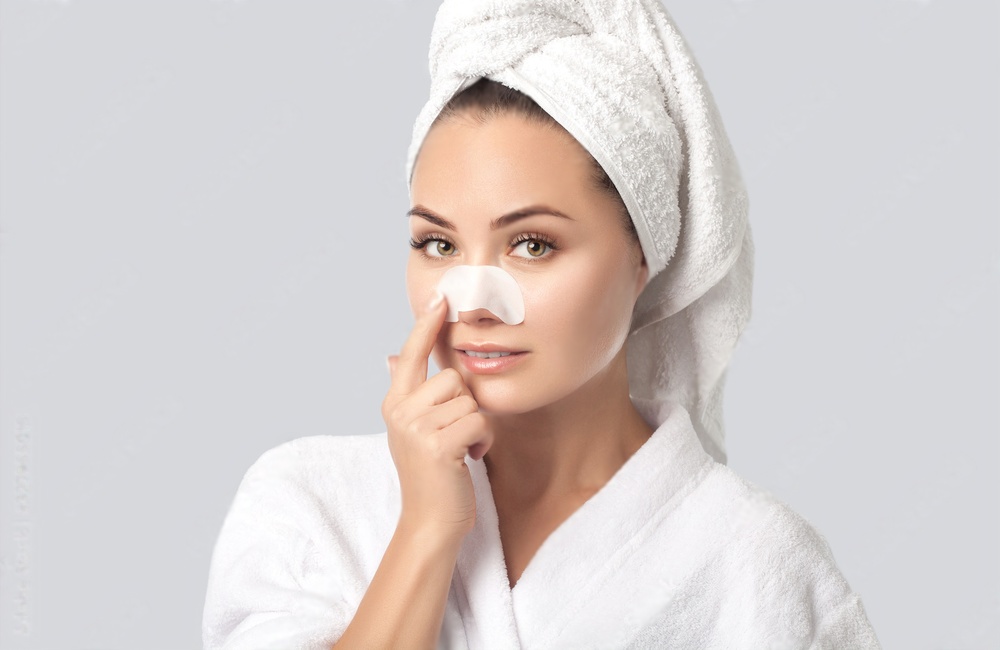
Banish Blackheads: Your Ultimate Guide to Clear, Radiant Skin
Table of Contents
Understanding Blackheads: The First Step to Clear Skin
Blackheads – those pesky little dark spots that seem to pop up overnight and overstay their welcome. If you’ve ever looked in the mirror and felt frustrated by these tiny blemishes, you’re not alone. Millions of people around the world struggle with blackheads, but understanding what they are is the first step in effectively combating them.
Blackheads are a type of acne that forms when hair follicles become clogged with oil and dead skin cells. Unlike whiteheads, which are closed at the surface, blackheads are open at the skin’s surface. This exposure to air causes the buildup to oxidize and darken, giving blackheads their characteristic black appearance. Effective blackheads removal starts with a solid understanding of what causes them and how to prevent them from forming in the first place.
The Root Causes of Blackheads
To effectively tackle blackheads, it’s crucial to understand what causes them. Several factors contribute to their formation:
Excess Oil Production
Our skin naturally produces oil (sebum) to keep itself moisturized and protected. However, when the sebaceous glands go into overdrive, producing more oil than necessary, it can lead to clogged pores and blackheads.
Dead Skin Cell Buildup
As our skin cells regenerate, dead skin cells can accumulate on the surface. If not properly exfoliated, these cells can mix with excess oil and clog pores, forming blackheads.
Hormonal Changes
Fluctuations in hormone levels, especially during puberty, menstruation, and pregnancy, can increase oil production, making blackheads more likely to form.
Genetics
Some people are simply more prone to blackheads due to their genetic makeup. If your parents struggled with blackheads, you might be more likely to experience them as well.
Why Blackheads Form?
Understanding the process of how blackheads form can help you prevent them more effectively. Here’s a breakdown of the stages:
- Excess oil production begins in the sebaceous glands.
- Dead skin cells accumulate on the skin’s surface.
- Oil and dead skin cells mix and clog the pore opening.
- The clogged material is exposed to air and oxidizes, turning black.
By targeting each of these stages in your skincare routine, you can significantly reduce the occurrence of blackheads.
Developing an Effective Daily Skincare Routine
A consistent, well-planned skincare routine is your first line of defense against blackheads. Here’s a basic routine to get you started:
Morning Routine
- Cleanse with a gentle, non-comedogenic facial wash.
- Apply a lightweight, oil-free moisturizer.
- Finish with a broad-spectrum sunscreen (SPF 30 or higher).
Evening Routine
- Remove makeup thoroughly with a gentle makeup remover.
- Cleanse again to remove any remaining impurities.
- Apply a targeted treatment for blackheads (more on this later).
- Moisturize with a non-comedogenic night cream.
Remember, consistency is key. Stick to your routine for at least a few weeks to see noticeable results.
Mastering Cleansing Techniques for Blackhead Prevention
Proper cleansing is crucial for blackheads removal and prevention. Here are some tips to elevate your cleansing game:
Double Cleansing Method
- Start with an oil-based cleanser to break down makeup and excess sebum.
- Follow up with a water-based cleanser to remove any remaining impurities.
Proper Technique
- Use lukewarm water (hot water can strip your skin of natural oils).
- Massage your cleanser in circular motions for about 60 seconds.
- Rinse thoroughly and pat (don’t rub) your face dry with a clean towel.
Exfoliation: The Key to Prevention
Exfoliation is a crucial step in preventing blackheads. It helps remove dead skin cells that can clog pores and lead to blackheads. However, it’s important to exfoliate correctly to avoid irritating your skin.
Chemical Exfoliation
Chemical exfoliants like salicylic acid or glycolic acid work by dissolving the bonds between dead skin cells, allowing them to be easily washed away. These are often gentler on the skin than physical exfoliants.
Physical Exfoliation
Physical exfoliants, like scrubs or brushes, manually remove dead skin cells. If you choose this method, be gentle to avoid damaging your skin.
Remember, over-exfoliation can lead to irritation and increased oil production, so stick to exfoliating 1-2 times a week.
Effective Topical Treatments for Blackhead Removal
Several over-the-counter treatments can help combat blackheads:
Salicylic Acid
This beta-hydroxy acid (BHA) can penetrate pores and dissolve the oil and dead skin cells that cause blackheads.
Retinoids
Derivatives of vitamin A, retinoids increase cell turnover and prevent the formation of comedones (clogged pores).
Benzoyl Peroxide
While more commonly used for inflammatory acne, benzoyl peroxide can also help prevent blackheads by reducing oil production and killing acne-causing bacteria.
Professional Blackhead Removal Techniques
Sometimes, professional help is needed for stubborn blackheads. Here are some treatments a dermatologist might recommend:
Extraction
A trained professional can safely remove blackheads using specialized tools.
Chemical Peels
These treatments use stronger concentrations of acids to exfoliate the skin and unclog pores.
Microdermabrasion
This technique uses tiny crystals to gently sand away the top layer of skin, including blackheads.
Natural Home Remedies That Work
If you prefer a more natural approach, several home remedies can help with blackheads:
Clay Masks
Clay masks can absorb excess oil and draw out impurities from the pores.
Honey and Cinnamon Mask
Both honey and cinnamon have antibacterial properties that can help fight acne-causing bacteria.
Tea Tree Oil
Known for its antimicrobial properties, tea tree oil can help reduce oil production and fight bacteria.
Remember to patch test any new remedy before applying it to your face to avoid potential allergic reactions.
Common Mistakes to Avoid in Blackhead Treatment
In the quest for clear skin, it’s easy to fall into some common traps. Here are some mistakes to avoid:
- Over-cleansing: Washing your face too often can strip your skin of natural oils, leading to increased oil production.
- Using harsh scrubs: Aggressive scrubbing can irritate your skin and worsen blackheads.
- Picking or squeezing: This can lead to inflammation, scarring, and the spread of bacteria.
- Skipping moisturizer: Even oily skin needs hydration. Skipping moisturizer can lead to increased oil production.
The Role of Diet in Blackhead Formation
While the link between diet and acne is still being studied, some foods may contribute to blackhead formation:
Foods to Limit
- Dairy products
- High-glycemic foods (like white bread and sugary snacks)
- Greasy, fried foods
Foods That May Help
- Fruits and vegetables rich in antioxidants
- Foods high in omega-3 fatty acids (like salmon and walnuts)
- Green tea, known for its anti-inflammatory properties
Remember, everyone’s skin is different. Pay attention to how your skin reacts to different foods and adjust your diet accordingly.
Choosing the Right Products for Your Skin Type
Not all skincare products are created equal, and what works for one person may not work for another. Here’s how to choose the right products for your skin type:
Oily Skin
Look for oil-free, non-comedogenic products. Gel-based moisturizers and clay masks can be particularly effective.
Dry Skin
Choose gentle, hydrating products. Look for ingredients like hyaluronic acid and ceramides.
Combination Skin
You may need to use different products on different areas of your face. Consider using a lightweight moisturizer all over and spot-treating oily areas.
Sensitive Skin
Opt for fragrance-free, hypoallergenic products. Patch test new products before applying them to your entire face.
Lifestyle Changes for Clearer Skin
Your daily habits can have a significant impact on your skin health. Here are some lifestyle changes that can help prevent blackheads:
- Get enough sleep: Lack of sleep can increase stress hormones, leading to increased oil production.
- Manage stress: High stress levels can trigger hormonal changes that increase oil production.
- Stay hydrated: Drinking plenty of water helps flush toxins from your body and keeps your skin hydrated.
- Exercise regularly: Physical activity increases blood flow, nourishing skin cells and carrying away waste products.
Preventing Future Blackheads
While spot treatments can help with existing blackheads, prevention is the best long-term strategy. Here are some tips for keeping blackheads at bay:
- Stick to your skincare routine consistently.
- Use non-comedogenic makeup and skincare products.
- Change your pillowcase regularly to avoid transferring oil and bacteria to your face.
- Keep your hands away from your face to prevent transferring oils and bacteria.
- Consider using a humidifier in dry environments to keep your skin hydrated.
Key Takeaways on Blackheads Removal:
- Understanding Blackheads: Blackheads form when hair follicles become clogged with oil and dead skin cells, oxidizing when exposed to air.
- Consistent Skincare Routine: Develop and stick to a daily skincare routine that includes cleansing, moisturizing, and sun protection.
- Exfoliation is Crucial: Regular, gentle exfoliation (1-2 times a week) helps remove dead skin cells and prevent pore blockages.
- Targeted Treatments: Use products containing salicylic acid, retinoids, or benzoyl peroxide for effective blackhead treatment.
- Avoid Common Mistakes: Don’t over-cleanse, use harsh scrubs, or pick at your skin, as these can worsen blackheads.
- Holistic Approach: Consider diet, stress management, and hydration as part of your overall skin health strategy.
- Professional Help: For persistent blackheads, consider professional treatments like extractions or chemical peels performed by a dermatologist.
Maintaining Your Skin’s Overall Health
Remember, your skin is your body’s largest organ, and its health is reflective of your overall well-being. Here are some final tips for maintaining healthy, blackhead-free skin:
- Protect your skin from sun damage by wearing sunscreen daily.
- Stay consistent with your skincare routine, even when your skin seems to be improving.
- Listen to your skin and adjust your routine as needed.
- Don’t hesitate to consult a dermatologist if you’re struggling with persistent blackheads.
By understanding the causes of blackheads, developing an effective skincare routine, and making healthy lifestyle choices, you can significantly reduce the occurrence of blackheads and achieve the clear, radiant skin you desire. Remember, everyone’s skin is unique, so be patient and persistent in finding what works best for you. With time and consistency, you can say goodbye to blackheads and hello to a confident, glowing complexion.
How often should I exfoliate to prevent blackheads?
Exfoliation frequency depends on your skin type, but generally, 1-2 times a week is sufficient for most people. Over-exfoliating can irritate your skin and increase oil production, potentially worsening blackheads. Start with once a week and gradually increase if needed. Always use gentle motions and products suited to your skin type to avoid damage.
Can diet really affect blackhead formation?
Yes, diet can influence blackhead formation. Foods high in sugar and refined carbohydrates may increase oil production and inflammation, potentially leading to more blackheads. Conversely, a diet rich in fruits, vegetables, and omega-3 fatty acids can support skin health. However, the impact of diet varies among individuals, so pay attention to how your skin reacts to different foods.
Are there any natural remedies that effectively remove blackheads?
Several natural remedies can help with blackhead removal. Clay masks can absorb excess oil and unclog pores. A mixture of honey and cinnamon can provide antibacterial benefits. Tea tree oil can help reduce oil production and fight bacteria. However, natural doesn’t always mean gentle, so always patch test and use these remedies in moderation.